Your Yummy Life
  • Home
  • About
  • Coaching & Retreats
  • Cooking Classes
  • Recipes
  • Blog
  • Connect

Healthy Fats?!

7/31/2014

0 Comments

 
I think this is my favoritest topic as a health coach.  I have this conversation at least once a week: Wait, you advocate eating butter and bacon? Yep.  They’re good for you.

Raise your hand if you still believe that fat gives you heart disease and cancer and makes you fat.  It’s not surprising. For the last 40 years there has been a concerted effort to demonize saturated fats—which has left us all feeling sad and unsatisfied.

The good news is that most of what we learned as kids was wrong.  Certain saturated fats are not only good for you but essential for optimal health.  Every week I see another study confirming that, in fact, no one can prove that lowering cholesterol lowers the chance of heart disease. Most people I talk to about Healthy Fats they are willing to accept butter, olive oil, avocados and even coconuts as healthy, but it’s a little hard to accept that lard, duck fat, and egg yolks are just as healthy for us. 

Factory made vegetable oils like margarine, canola, cottonseed, soybean, peanut, and corn oils are NOT healthy.  These unnatural oils contain GMOs, and are bleached, heated at high temperatures, and full of preservatives.  Even with all that treatment they are usually rancid by the time we eat them, full of cancer causing free radicals.  They have been heavily promoted by the people who make money selling them, who took advantage of some bad science to convince us all that we could never have good tasting dishes again. Almost all of the “evidence” against saturated fats came from one study in the 1950s where the author cherry picked his results to support the theory he wanted to find.


But what about all that cholesterol clogging our arteries?!  Cholesterol is a part of every cell in the human body, and a necessary component for healing.  Blaming cholesterol for heart disease is like blaming antibodies for communicable diseases.  Yes, having high cholesterol is an indication of ill health, but it’s there to heal, not the cause of the problem.

Real traditional fats are essential for health and happiness.  Our brains are made up of 60 percent fat, and feeding them properly helps them to function well.  The fat soluble vitamins—A, D, E, and K—prevent cancer and help regulate hormones.  Proper fats reduce inflammation, keep our skin glowing and our moods even.  And they help us feel satisfied so can actually help us lose weight.

I explain to my clients, and pretty much anyone else that will stand still, that the body gets energy from two sources—carbs and fat.  If you want to cut back on carbs (that means sugar, bread, pasta, pizza, cookies, soda etc. etc.) because you recognize that those are not good sources of nutrition, then you need to substitute healthy fats so that you won’t feel run down and dissatisfied.  Most are skeptical...until they try it.  I had one diabetic client who was able by switching to a high fat, low carb diet to get off insulin within a month, and lose 30 pounds. 

Of course, you want to have the highest quality fat sources you can afford.  Even low quality butter is better than margarine.  Organic is better, and raw, grass-fed is best.  Same with all animal sources of fat—high quality pasture raised animals produce fat that is MUCH higher in Omega-3 essential fatty acids and vitamins than those raised in confinement “factory” farms. 

How much more fun would life be if you were able to eat butter on your vegetables, full fat dairy products and crispy chicken skins again?  I think that pleasure is an important part of nutrition.  Studies show that eating with joy and pleasure actually improves digestion.  No one wants to spend their life eating fat free; it’s like living on cardboard. It is one of the greatest joys of my food  conversations to see the light begin to come on in people’s eyes with the thought that they might be able to have delicious, guilt-free meals again.

0 Comments

Glorious Greens

6/30/2014

0 Comments

 
My fourth recommendation for easy real food nutrition is to eat something green with every meal.  Along with a lack of colored foods (see last month’s post), we Americans don’t eat nearly enough green food.  Mostly when people  talk about eating greens they mean dark green leafy vegetables.  And those are awesome nutritional superfoods, but in the “keeping it simple” arena, I include anything green on this list.  So, of course all the leafies like broccoli, cabbage, watercress, mustard greens, dandelion leaves, arugula, endive, chicory, lettuce, and other wild greens are on the list.  But I also count zucchini, cucumber, celery, and asparagus when I’m trying to include something green in each meal.

Nutritionally, the leafy greens are very high in calcium, magnesium, iron, potassium, phosphorous, zinc and vitamins A, C, E and K. They are crammed with fiber, folic acid, chlorophyll. Some of the benefits of eating dark leafy greens are: blood purification; cancer prevention; improved circulation; strengthened immune system; promotion of healthy intestinal flora; improved liver, gall bladder and kidney function; and cleared congestion, especially in lungs by reducing mucus.

A good rule of thumb is the heavy tough greens should be cooked, the thinner, lighter ones can be eaten raw.  Cruciferous vegetables (all the cabbage, broccoli, brussel sprouts, mustard greens, etc.) contain goitrogens which can interfere with thyroid function.  Cooking or fermenting, as in sauerkraut, destroys these anti-nutrients. Spinach, swiss chard and beet greens are best eaten in moderation because they are high in oxalic acid, which is not destroyed by cooking, and which depletes calcium from bones and teeth and may lead to osteoporosis.

And one more word of caution: greens are high in fiber.  It’s a big part of what they have to offer.  But, if you experience a lot of intestinal or digestive problems—gas, bloating, diarrhea, IBS, Crohn’s—you may want to skip the high fiber foods until you’ve done some gut healing.  High fiber foods will only further irritate your intestinal lining.

Remember when you were a kid and wouldn’t eat your cauliflower without cheese sauce?  That was your body being wiser than you knew.  All vegetables should be consumed with healthy fats to help carry the minerals and other nutrients into the body. Of course, cheese sauce made from velveeta doesn’t count as real food or healthy anything, but lots of butter and/or cheese, or hollandaise is definitely recommended!

I was a kid that always had to be enticed to eat my veggies.  Now that farmers markets, and even grocery stores, offer such an amazing diversity, and I’ve been given permission to enhance them with lots of yummy sauces, I love incorporating green into almost all of my meals.  Even breakfast?  Sure, throw a few pieces of asparagus, or some julienned kale into your eggs, or try a green smoothie for a boost of nutrients and energy to start the day right.  You might just like green eggs and ham ;)
0 Comments

Colorful Foods

5/31/2014

1 Comment

 
My third recommendation for easy real food nutrition is to eat something red, orange, purple, or blue with every meal.  The standard American diet is almost completely brown and white.  If there’s color it’s probably an artificial dye which have been related to Attention Deficit Disorder and other yucky modern childhood diseases.  But foods which are naturally highly colored are power houses of nutrition.

The chemicals which cause red, orange, purple, and blue color in foods are called anthocyanins, a type of flavinoids.   They are antioxidant, anti-inflammatory, and anti-viral.  Thus they help boost the immune system, and protect against cardiovascular disease and cancer.  Some research shows that these chemicals may also protect against obesity.  According to the The Pennington Biomedical Research Center anthocyanins “have been credited with the capacity to modulate cognitive and motor function, to enhance memory and to have a role in preventing age-related declines in neural function.”

Anthocyanins are now thought to be why red wine is healthy (in moderation, of course).  They are also found in berries, cocoa, vegetables, teas and honey.  The darker the color the higher the concentration of beneficial compounds.  So blueberries are more “powerful” than strawberries.  But to keep things simple I just try to include any food from this family in every meal.  Plus, it’s fun to have lots of different colors on the plate.

In practical terms, what does that look like?  Here are some menu ideas with links to recipes.  As you can see, not all colorful foods are fruits.  There are also many vegetables that fit the bill.

BREAKFAST
  • Scrambled eggs with greens, chives, and cheddar cheese, with a bowl of raspberries 
  • Whole milk yogurt with berries and crispy nuts
  • Chocolate bacon pancakes (Yes, chocolate counts as a purple food for our purposes here.  These are decadent, but actually full of healthy fats and protein, and relatively low in carbs.)
LUNCH
  • Grass-fed hamburger with avocado, pink sauerkraut (both red and green!)
  • Raw milk cheese, lacto-fermented pickles, strawberry jello
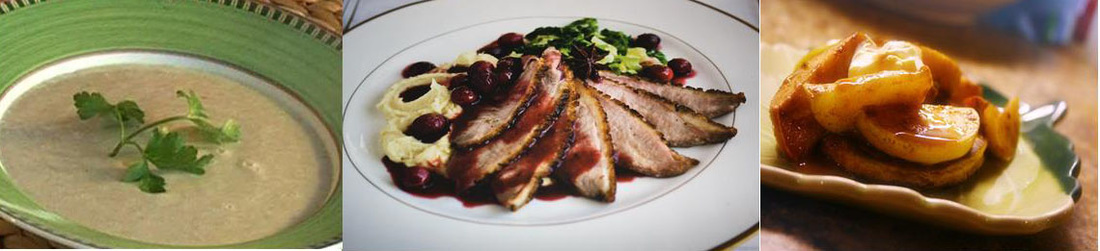
  • Broccoli soup with raw cream, carrot fries (These are my new favorite things! Super easy and better than sweet potato fries.)

DINNER
  • Ropa Vieja (Cuban beef stew) with mustard greens, berries with crème fraiche
  • Steak, asparagus with hollandaise sauce, panna cotta with blueberries
  • Coconut milk fish soup with cilantro, mango sorbet
1 Comment

Probiotics

4/28/2014

0 Comments

 
Have you noticed that there seems to be a hot nutrient of the year?  A couple years ago it was Vitamin D, and everyone’s doctor was noticing that they were deficient.  The latest trendy nutri­tion item seems to be probiotics.  I see adds for yogurt and pills on tv, and a new study every month on the benefits to our health, weight loss, and mental abilities. 

What  really are probiotics?  They are beneficial bacteria that perform an amazing number of functions in our bodies, mostly in the intestines but really anywhere the body has contact with the outside world.  Beneficial bacteria produce antibiotics, anti-fungal, and antiviral substances.  Healthy gut flora protect us from carcinogenic and toxic substances by neutralizing them or “grabbing them” and carrying them out in the stool.  These bacteria actually produce the B and K vitamins.  Probiotic bacteria include Lactobacillus acidophilus, L. casei, L. bulgaricus, L. plantarum, L. salivarius, L. rhamnosus, L. reuteri, Bifidobacterium bifidum, B. longum, B. infan­tis and S. thermophilus.

Hippocrates, father of medicine, wrote about 2500 years ago that all disease begins in the gut.  Dr. Natasha Campbell McBride says, “I have never met and adult or child with so-called mental conditions who did not have digestive problems.”  Digestive health cannot happen without healthy well-functioning gut flora.  Beneficial bacteria provide a barrier against toxins entering our bloodstream. Probiotics can help improve or cure ADD, dyslexia, allergies, digestive disor­ders like IBS, asthma, eczema, ear infections, chronic cystitis, candida, autoimmune disorders, fibromyalgia, arthritis, diabetes, depression  and other mental disorders.  Eighty percent of the immune system is in the intestines.  And (this is my favorite) 60-70 percent of serotonin, one of the feel good “brain” chemicals, is made in the gut.

There are many causes for unhealthy and out of balance gut flora: antibiotics, contraceptives, and steroids to name a few.  Equally devastating are modern junk food, high carb diets, and the modern stressful life. The gut can also be damaged by stress.  Have you ever had digestive upset when stressed? Don’t feel like eating? That’s the neural tissue in your gut telling you that it’s not doing well.  There is even evidence that when we are under extreme stress the gut be­comes more damaged, increasing psychological symptoms and food allergies.

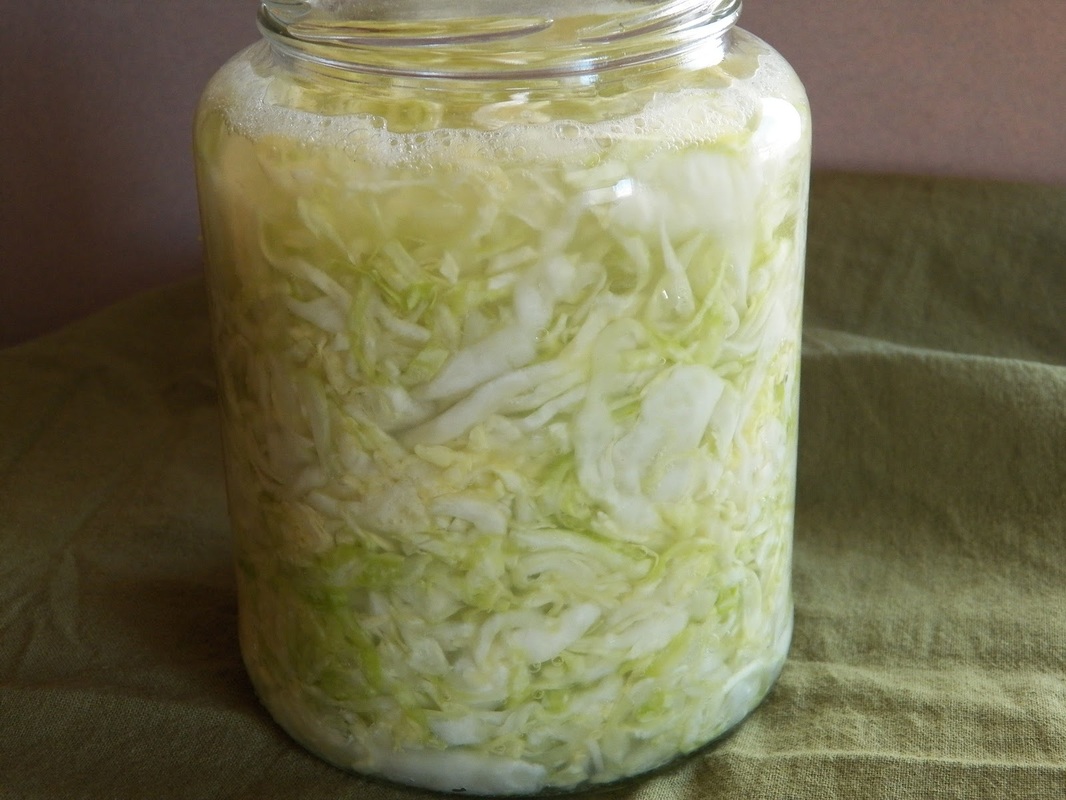
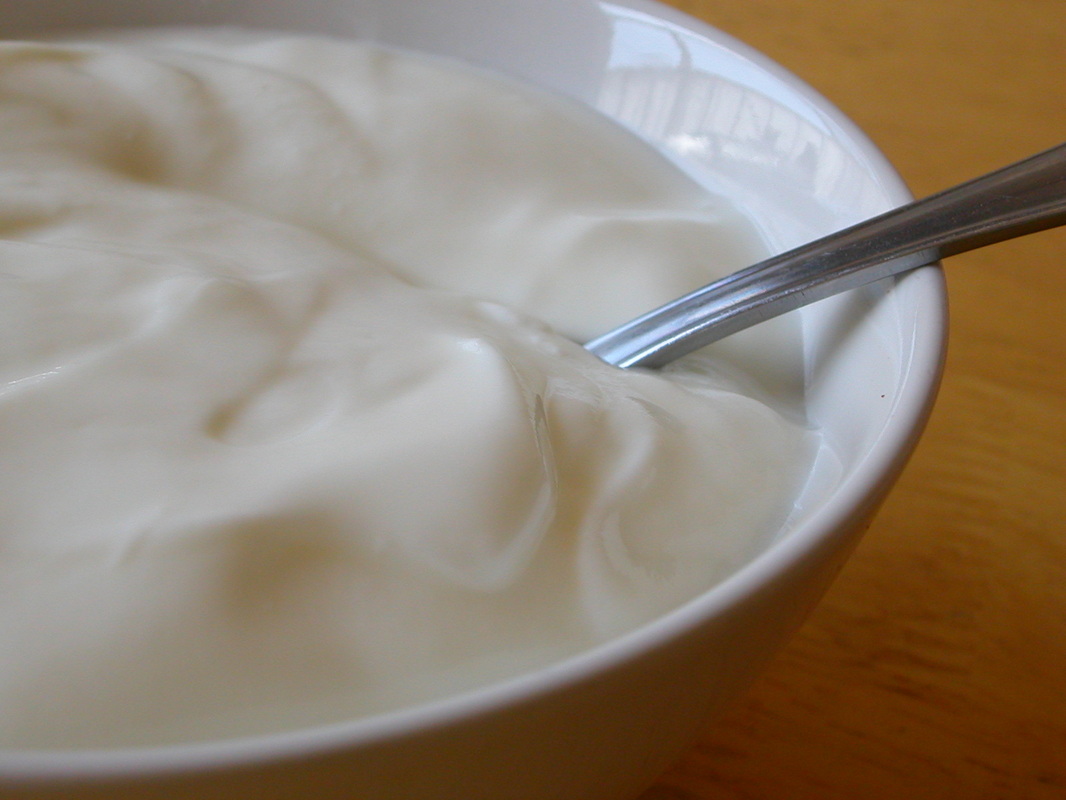
Probiotics can be taken in pill form but these are often ineffective and/or very expensive.  Every traditional culture includes probiotic fermented foods.  The fermented food that we are most familiar with is yogurt, but there are many many more: sauerkraut, kimchee, pickles (not just cucumbers, but also beets, carrots, green beans), fruit chutneys, raw cheese and other dairy products, salami and pepperoni.  There are also lots of probiotic beverages like kombucha, kefir, kvass, herbal drinks like ginger ale, and unpasteurized beer and wine. This article offers  20 ways to include fermented foods in every meal.  Many of these are now available in health food stores, although making them at home is very easy.  Here is my recipe for sauerkraut that even sauerkraut haters love.

A few years ago I was horribly depressed and my life felt really unmanageable.  I started drink­ing beet kvass because someone recommended it for more energy.  After a couple of weeks I realized that I was feeling grounded and centered in a way that I never had before.  I had not just physical energy but mental and spiritual clarity as well.  I was able to change some things in my life that really needed changing and felt functional in a way that I hadn’t in a really long time.

Probiotic foods are among the most important tools for gut healing and all the health and happi­ness that comes along with that.  They are definitely worth getting to know.
0 Comments

Raw Foods

2/28/2014

0 Comments

 
Picture
The Standard American Diet (SAD) contains almost no raw food.  Most people eat maybe some coleslaw occasionally, a little salad, or an apple, but rarely any other uncooked foods. 

I recommend eating some raw or fermented probiotic food at every meal if you can.  One of the major benefits of eating raw foods is that they have the enzymes still intact; they are destroyed at about 118 degrees Fahrenheit (which conveniently is the temperature at which human mouth tissue burns). 

Enzymes break down food into nutrients so that they can be assimilated.  Without proper digestive enzymes the entire digestive system fails because each successive step is cued off the previous one.  If the proper enzymes are not in place in the stomach then the small intestine doesn’t get the right messages to be ready for the incoming food, and it won’t get absorbed properly.  You can be eating the best food in the world but if you’re not absorbing the nutrients it doesn’t do you any good.  The more enzymes you get from your food, the fewer your body had to manufacture itself, freeing up energy for other things.

This is why people who go on raw food diets feel so good.  Their bodies are finally getting to take in nutrients, and they get much more energy and vitality than from the dead standard American diet.  However, there are a couple reasons not to stay on the typical raw food diet for a long time.  First, most people on raw diets are eating only fruits and vegetables.  This leaves a huge protein and fat deficit.  That can be solved by eating raw milk and meat products.  Salami and prosciutto are some of the traditional cured raw meats. 

Raw milk, and milk products like butter and yogurt, from grass-fed animals deserves a whole post of its own.  It is an amazing super food that has almost everything necessary for complete nutrition—healthy fat, good protein, carbs, enzymes and lacto-bacteria.  Many people are concerned about the safety of unpasteurized milk. The brilliant thing is that the milk comes with several components that not only kill pathogens, but also stimulate the immune system, build a healthy gut wall, prevent absorption of pathogens and toxins in the gut and ensures assimilation of all the nutrients.  There are lots more details, visit the Campaign for Real Milk.  This post covers many reasons for drinking raw milk. In addition to health, it’s better for the environment than factory farming, and connects us to our local community and economy.

It’s important to note, that not every food should be eaten raw.  For instance, cruciferous vegetables like broccoli, cabbage, and kale have ingredients which can cause goiters if eaten raw, but which are destroyed by cooking.  Grains and seeds can be eaten raw but they must be properly prepared by soaking.  This treatment releases enzyme inhibitors, which are also anti-nutritious in other ways, and frees up the enzymes to actually work.

Next month I’ll talk about traditionally fermented foods, which not only makes food more digestible, and in some cases frees up more enzymes, but also adds probiotic bacteria which are essential for human health, and almost completely absent from most modern diets. 

0 Comments

Start with the Basics

1/31/2014

0 Comments

 
Did your New Year’s resolution include “eating healthier”?  But what does that really mean?  Does it mean giving up all of the foods you love?  Does it mean never enjoying eating again, because anything that’s good for you can’t possibly be tasty too?  I know for a long time I thought if it was healthy it pretty much had to taste like cardboard.  In my opinion, healthy eating has two components.  First, it’s made from real stuff.  Real food means things that our great-grandmothers would recognize. Very little that I buy is packaged.  I am looking around my kitchen as I write, and literally the only thing in a box is tea.  Yes, this means cooking, rather than just microwaving.  But most of my meals are simple and take less than half an hour to prepare. The second important component of healthy diet is that it makes me feel good, not just in the moment, but in the long term too.  There are a few things that everyone should avoid (like processed foods and empty calorie sugar) but each body is different.  It takes some trial and error to find out exactly what the right balance is for you.  OK, if I can’t base my diet on sugar and white flour,
what can I eat?! When I was a kid, we heard a lot about balanced meals.  A good meal had some protein, some carbs, some fat, and some fruit or vegetables.   I actually think that’s a pretty good rule of thumb.  You can adjust each element up and down as you need.  Here are a couple of other simple rules to try get a wide variety of nutrient dense foods that create happy healthy bodies and souls. 

Ideally, every meal should include:
  • Something raw and/or lacto-fermented 
  • Something green (kale, watercress, mixed greens)
  • Something orange, red, blue or purple (berries, sweet potatoes, pumpkin, tomatoes)
  • Plenty of fats from clean sources like egg yolks from pastured chickens, butter from grassfed cows, and lard from pastured pigs.
Every day should include:
  • Bone broth or gelatin
  • Coconut oil

I’ll go more into each of these in the future.  Remember to keep it simple, and let me know how it’s going.
Picture
Picture
Picture
0 Comments

Stillness  

1/1/2014

0 Comments

 
Picture
I gave myself the month of December off (mostly).  I have never been a fan of the hurried, busy consumerist lead up to Christmas.  It has never felt right to me.  If you are a follower of the seasons, as I am, this time of year is about rest and renewal.  Many plants send all their energy into their roots and let the visible, exposed parts die off in preparation for winter.  Many spiritual traditions suggest that we also slow down and take this time when we don’t have to be busy planting, hoeing, and harvesting to do some inward journeying.  To be still. 

Lots of others are longing for this too.  When people complain to me about having seasonal affective disorder I remind them that the natural thing to do in winter is to slow down, nap a lot, allow the body to rest, and my theory is that S.A.D is about being out of balance with that natural urge.   And they universally say to me, “Yes!  That is what I need, what my body and soul want.”

I have come to really love this season of stillness and darkness.  I try not to do a lot of planning before the solstice, the return of the light.  I try to allow myself to not know what’s next, to allow the seeds of what’s next their time to germinate in darkness, before they come to light.

After pushing myself hard the last few months, I really needed this down time.  My body has been feeling the effects of the stress too: my fibromyalgia symptoms have flared up, and I have been craving sugar.  By allowing myself this time of not-pushing, I am now feeling much more serene and still inside.  In a good way.  The days are already getting noticeably longer, and I’m beginning to be ready to start looking ahead.

There are, of course, nutritional supports that counter stress.  Healthy fats and probiotics do wonders for mood and patience levels.  I truly believe that it’s hard to feel good mentally and spiritually if we are pumping our bodies full of toxins all the time, and that healing our nutritional deficiencies allows our minds and spirits to blossom and grow.  That’s one reason the Gut and Psychology Syndrome makes so much sense to me. 

But, it’s also important not to overlook the other things that contribute  to a sense of nourishment and fulfillment.  Allowing time within each day, each week, and each year for stillness and non-doing is essential to my serenity and equilibrium throughout the year.

0 Comments

Healthier, happier holidays  

11/30/2013

0 Comments

 
Picture
So you’ve been trying your best to eat as healthily as possible and then...the holidays come around.  So much stress, so many temptations to eat the wrong things.  So, what’s an aspiring real foodie to do?  These are a few of the strategies that I use to get through the holidays with minimal upset to my serenity and my digestion.

The first tactic, which is the easiest and most interesting to me, is to look at the meals that I will participate in preparing and see how I can apply real food principles.  Where can I make healthier substitutions?  Can I afford a grass-fed turkey?  Or grass-fed butter instead of margarine or Crisco in my recipes?  Can I afford organic vegetable and buy my fruit from local farmstands?  How can I get some probiotics into my meals?

I try to avoid processed flour, highly processed sugar, and high carb foods.   Pretty much anything you can do to a potato can be done to cauliflower.  I love mashed cauliflower with lots of butter and Celtic sea salt.  You can kick it up a notch by putting a couple of sprigs of rosemary in the boiling water, and adding parmesan cheese when you’re blending it.  Cauliflower is in the same family as broccoli and kale, and it has many of the same nutritional benefits—strengthening the immune system and protecting against cancer, providing vitamin C, folate, selenium, and other trace minerals.  I look at it as a great way to get in some super nutrition while feeling like I’m indulging myself.  Be sure to always serve it with butter or another good fat.  The fat helps the body to absorb the minerals.

To reduce the amount of white sugar I use honey and maple syrup as my only sweeteners.  I use nut flours, coconut flour, or cocoa powder instead of wheat flour.  I do not recommend using gluten-free replacement flours or gluten-free processed foods.  Many of them contain soy, and other detrimental ingredients. I recommend instead looking online for recipes which are made from scratch with real food.  It’s actually takes very little more effort than making things from mixes and it feels so much better knowing you’re feeding your friends and family real food. 

The second skill one needs is negotiating events at which you have no control over the menu.  I hate to feel deprived, or different from everyone else.  Feeling empowered to make good choices helps me not feel weird or left out.   I look for plain veggies, fresh fruit, unprocessed meats (roast beef rather than bologna).  It’s important to know which foods you are most sensitive to so you can avoid them.  Sometimes I will take snacks with me, like maybe some beef jerky or homemade chocolate so I don’t go too hungry.  And then sometimes you do the best you can and then do a little detox and get back on track as soon as you can.

Thirdly, I find it’s equally important to up my self-care during stressful times.  I heard a saying long ago, “On most days, I meditate half an hour.  When things get very busy, I meditate for an hour.”  I can’t say I practice this perfectly, but I definitely try to be aware of ways to be good to myself—to take a few minutes for silence, to breathe fresh air in the woods, to be grateful for my surroundings and all of the gifts, to rest.  None of these takes a whole lot of time, and they definitely help me move more serenely through all of the craziness.


SOME OF MY FAVORITE WHOLE FOOD HOLIDAY RECIPES THIS YEAR:
Roasted chicken or turkey with gravy
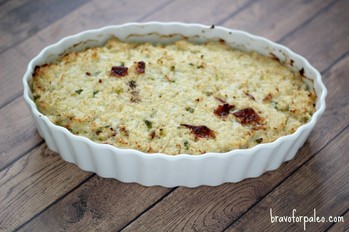
Cauliflower casserole
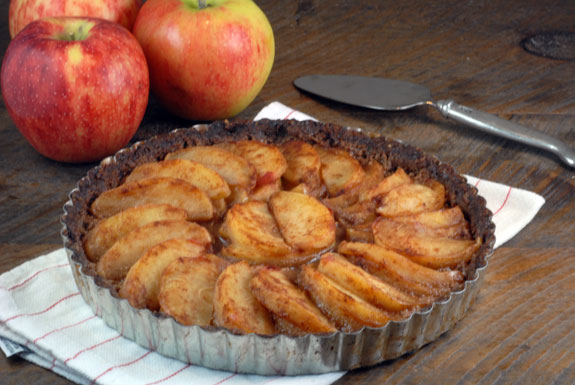
Apple tart with pecan crust

Picture
0 Comments

Herbs and spices for health  

10/30/2013

0 Comments

 
Picture
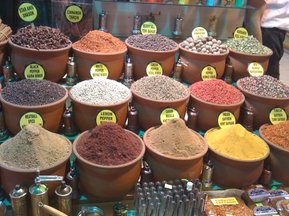
I was asked after my last cooking class to talk more about herbs and spices.  The thing I love about traditional spices is that, in addition to making our food taste better, they have amazing health giving and medicinal properties.  Here are a few of the most awesome:

Tumeric is a powerful anti-inflammatory, it is also used to treat flatulence, menstrual difficulties, bloody urine, hemorrhage, toothache, bruises, chest pain, and colic.

Oregano, our favorite pizza sauce herb, also has potent antoxidant and antibacterial properties.  It can be used to treat respiratory tract disorders, gastrointestinal (GI) disorders, menstrual cramps, and urinary tract disorders. Applied topically it treats skin conditions such as acne and dandruff.  It is known to reduce cholesterol, lower the risk of colon and breast cancer, and protect against food pathogens.  It is an effective anti-inflammatory used against osteoporosis and arteriosclerosis.

Rosemary, in addition to making killer ice cream, helps prevent breast, prostate, colon, and skin cancers, and leukemia. It has traditionally been used to improve memory and now is being used in Alzheimer’s research.  It can also be used for mood elevator, migraines, pain relief, as an immune booster, antibacterial, for digestive health including constipation and indigestion, for better circulation, respiratory health, liver detox, and, due to its anti-inflammatory properties, used as a skin toner it helps reduce puffiness, stimulates cell regeneration, increases firmness, and improves overall skin tone. 

Anise can calm an upset stomach and help with coughs and runny noses. Anise has been used to increase milk flow in breastfeeding mothers, treat menstrual symptoms and boost libido.

Cilantro is high in vitamin K, improves bone strength and helps the blood clot. It is a powerful cleansing agent and is used to remove toxic heavy metals.  Has also been used to improve sleep and against anxiety.

Cinnamon lowers blood sugar levels, reduces cholesterol levels, and lowers blood pressure.  It has anti-clotting action, is antimicrobial and boosts brain activity.  Reduces the pain of arthritis, and may reduce the proliferation of cancer cells.   Proven effective for menstrual pain and infertility.  Cinnamon holds promise for various neurodegenerative diseases, including: Alzheimer’s disease, Parkinson’s disease, multiple sclerosis, brain tumor, and meningitis.

There are of course many more, but I hope this gives you some inspiration.

0 Comments

Upcoming Events for Fall 2013

8/31/2013

0 Comments

 
Picture
My life is so cool! My mission in life is to help people regain their joy around eating and living.  It’s an amazing feeling to support someone as they move towards comfort and enjoyment in the kitchen, which I truly believe leads to more fun in all aspects of our lives.  I wanted to share with you what one of my clients said recently as she neared the end of her program, “I feel ok going into meals now.  I don’t panic about what I’m going to eat….It took a while but when I fed my body nutrient dense foods I stopped craving junk foods and started losing weight...Thanks for all your help with these things.  I'm starting to recognize that the pain I felt around all this a few months ago is so absent that it's a revelation to think back to it.”

Because I want to be able to share this joy with as many people as possible, I’ve scheduled a bunch of events for this fall. There’s something for everyone’s schedule and pocketbook, from a full day mini-retreat to hour and half workshops.  I really hope you can make at least one of these.  Even better, come to all of them!   Each one will cover different material. 

September 22, 5:30—8:30pm at Family Traditions, Stone Ridge, NY
Harvest Feast Cooking Class—this will be a full three course meal cooking demonstration, followed by a celebration feast. 

October 4, 7:00—9:00pm at Family Traditions, Stone Ridge, NY
Holistic Performance workshop features mindfulness, movement, and nutrition practices and tips.

October 5, 10:00am—4:00pm Regain your Balance mini-retreat in Stone Ridge, NY
Give yourself the gift of a full day of revitalization and nourishment for the mind, body, and soul with me and two other amazing presenters.

October 9, 7:00—8:30pm  Eating for Energy at the Chinese Healing Arts Center, Kingston, NY 
What would your life be like with an abundance of energy and vitality?  Learn what factors rob you of your energy and which foods are best to eat to increase your energy.

October 23, 7:00—8:30pm Beating the Sugar Blues at the Chinese Healing Arts Center, Kingston, NY 
Are you constantly craving sweets and want to understand why?  Do you want to gain control without deprivation? Sugar is negatively affecting your health and happiness. You will leave this class understanding the causes of your sugar cravings and you’ll receive practical tools for dealing with them. 
 
November 6, 7:00—8:30pm What’s all the Fuss about Probiotics? at the Chinese Healing Arts Center, Kingston, NY 
Hippocrates said, “All disease begins in the gut.”  Learn what’s going on in there, why intestinal health is so important, and whether eating Activia occasionally will do the trick.

November 20, 7:00—8:30pm Healthy Holiday Menus at the Chinese Healing Arts Center, Kingston, NY 
Do you wish for easier, healthier, less stressful holidays?  In this class, we’ll discuss healthier, whole food substitutions for traditional holiday foods, as well as ways to actually increase your joy around cooking and sharing meals. 
0 Comments
<<Previous
Forward>>
    Picture

    Archives

    January 2017
    September 2016
    July 2016
    May 2016
    January 2016
    December 2015
    November 2015
    October 2015
    September 2015
    August 2015
    June 2015
    April 2015
    March 2015
    February 2015
    January 2015
    November 2014
    September 2014
    July 2014
    June 2014
    May 2014
    April 2014
    February 2014
    January 2014
    November 2013
    October 2013
    August 2013
    July 2013
    June 2013
    May 2013
    April 2013
    March 2013
    February 2013
    January 2013
    December 2012
    October 2012
    September 2012
    August 2012
    July 2012

    Categories

    All

    RSS Feed

Proudly powered by Weebly